
Understanding Professional Furnace Repair Services: What to Expect
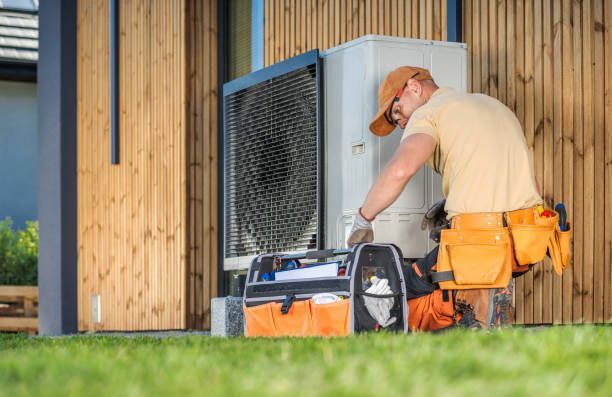
When your heating system stops working, finding reliable furnace repair services in Newberg, OR, is important for warmth and safety in your home. At Dr. HVAC, we believe that learning what happens during professional heater repair can help you get ready and make smart choices. In this article, you’ll learn everything you need to know about the process, tools used, and reasons to trust an expert.
Why Professional Furnace Repair Matters
A furnace is complex and powerful, helping keep your home cozy during cold months. When troubles arise, professional furnace repair services are key for several reasons:
- Safety first: Professionals check for gas leaks, carbon monoxide issues, or faulty wiring that could become dangerous.
- Spotting the real problem: Trained technicians can find underlying problems you might not see.
- Using the right equipment: Experts use specialized tools and have knowledge homeowners often do not.
Trying repairs without the right training could result in injuries, more expensive fixes, or even voiding your furnace warranty. Trusting professionals keeps your home safe and saves you headaches.
Step 1: Initial Inspection
Your service starts when the technician arrives at your home. Here’s what to expect:
- They’ll ask you about the furnace problem. Is it making noises? Not heating rooms? Turning on and off too often?
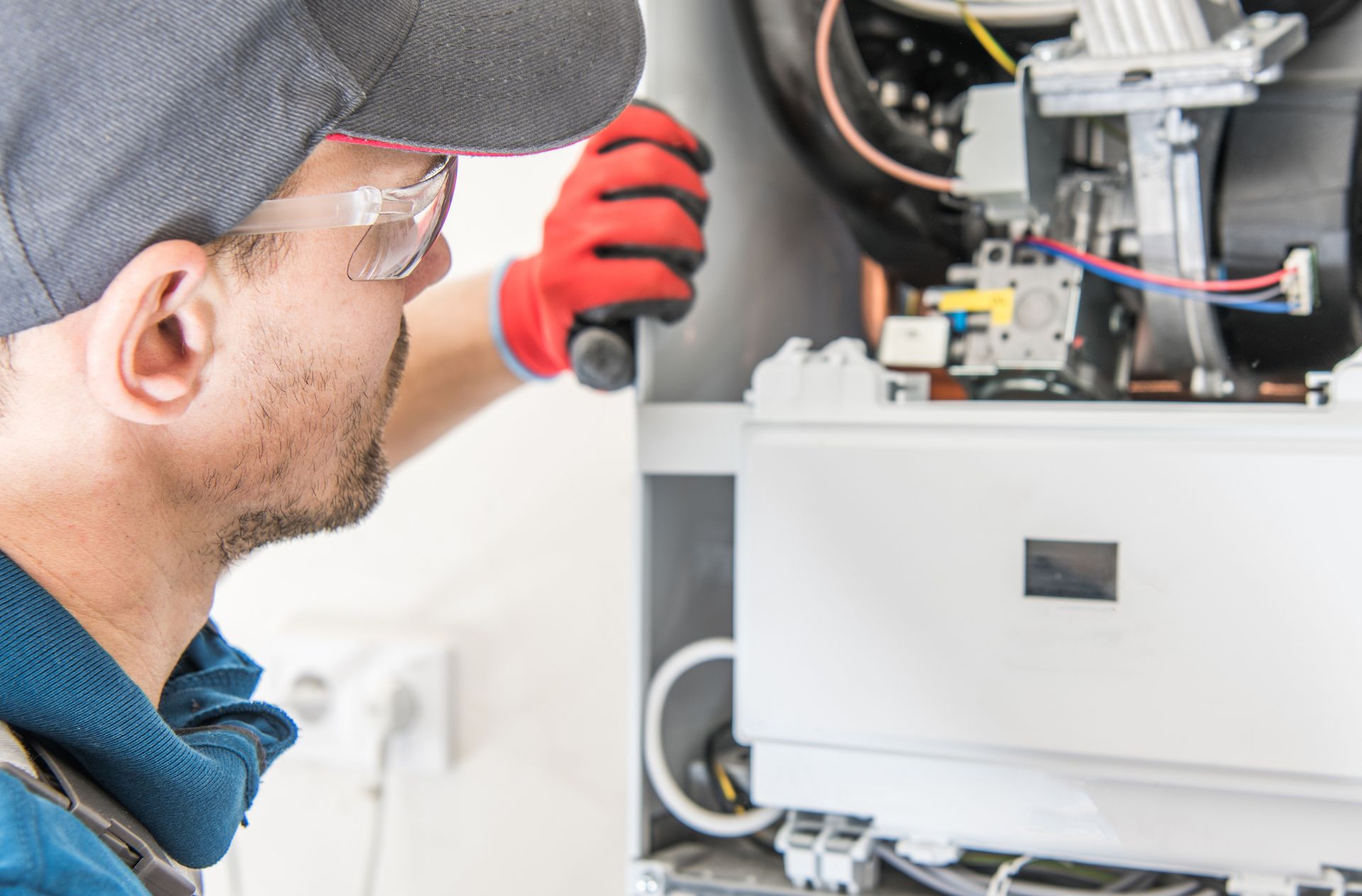
- The professional will inspect the thermostat, check air filters, and look for any visible or obvious issues.
- They use sight, sound, and smell to uncover warning signs, such as unusual rattling or a musty odor.
This first check helps the technician learn your furnace’s condition and plan the next steps.
Step 2: Detailed Diagnosis
Next, the technician digs deeper. During diagnosis, they’ll:
- Use testers to check electrical wiring and controls.
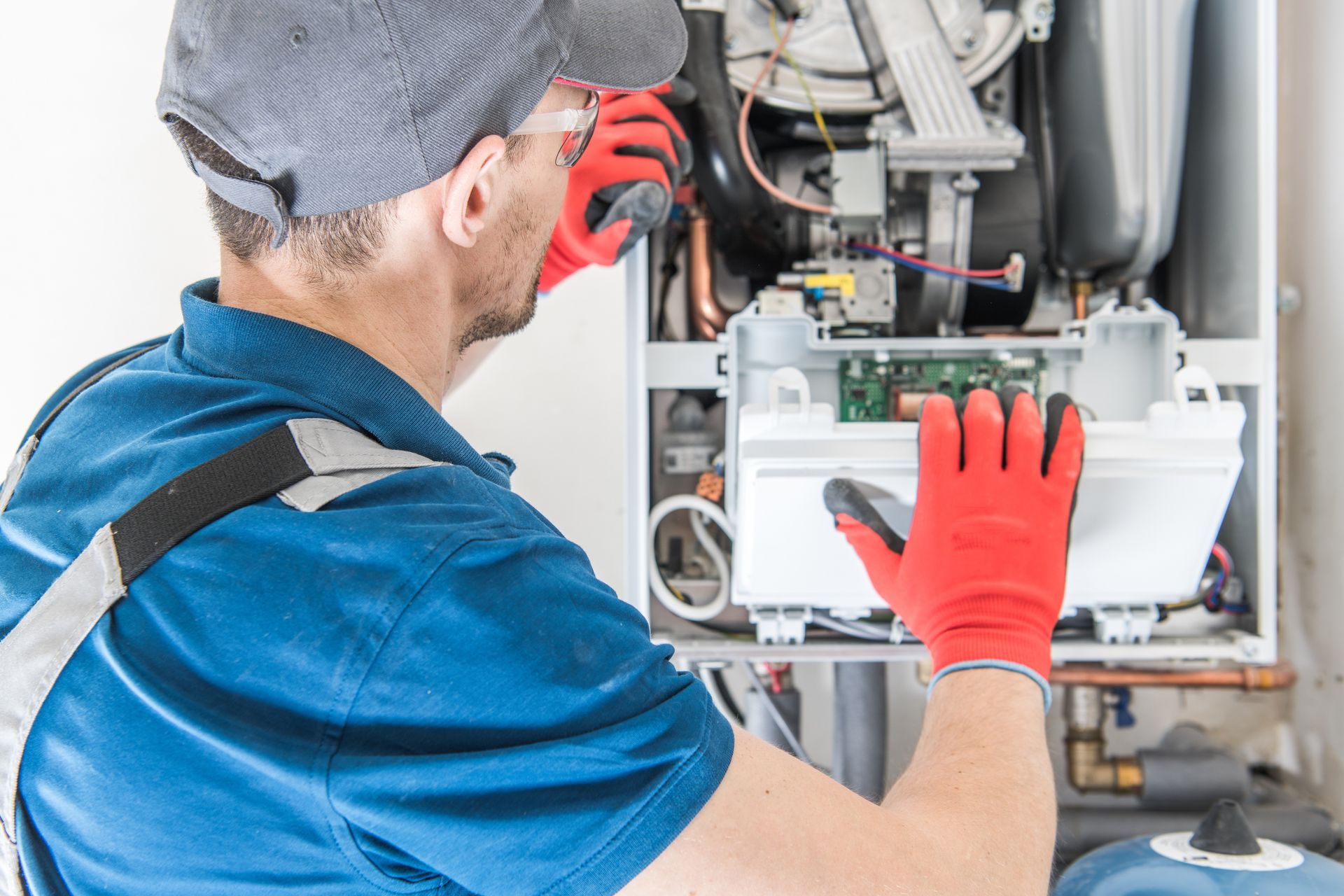
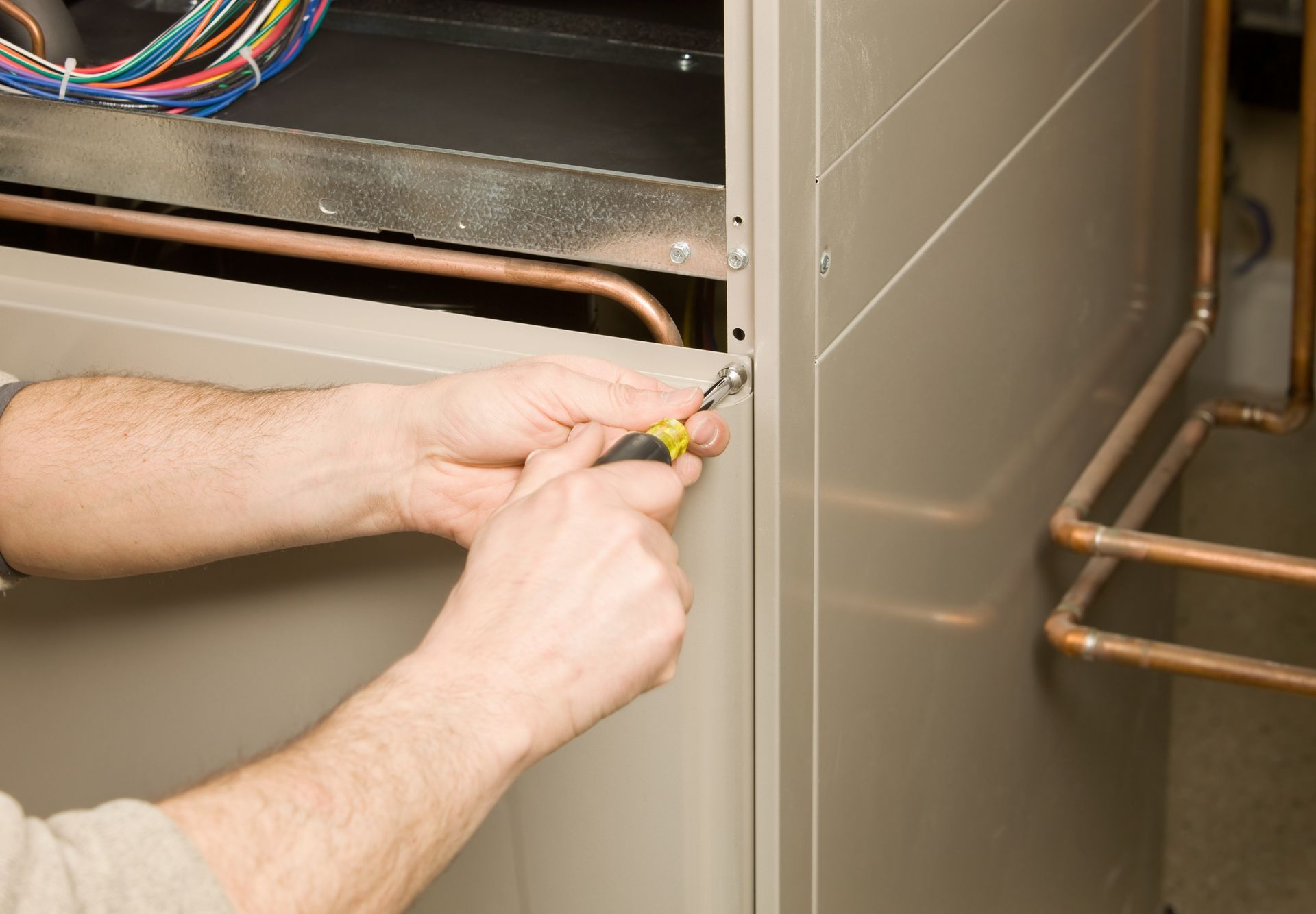
- Inspect the blower motor, belts, pilot light, and burners for damage or dirt.
- Measure temperature differences to make sure heat moves through your home evenly.
You might see them open furnace panels, look at the circuit board, or use special devices. All of this helps pinpoint the real problem, whether it’s a worn-out fan or a sensor that stopped working. Occasionally, the technician may even find smaller problems before they become big ones.
Step 3: Transparent Advice and Estimates
Once the problem is found, the technician will clearly explain the following:
- What's wrong with your furnace.
- What parts or repairs are needed.
- How long the repair will take.
- What the total cost will be.
Many companies provide a written estimate upfront. You can ask all your questions before saying “yes” to any repair. If you need time to think it over or compare costs, that’s usually okay too.
Step 4: The Repair Process
Repairs start only after you say it’s okay. Common furnace repair services include:
- Changing dirty filters or blown fuses.
- Replacing broken belts, motors, or igniters.
- Cleaning out burners and pilot assemblies.
- Fixing thermostat wiring or controls.
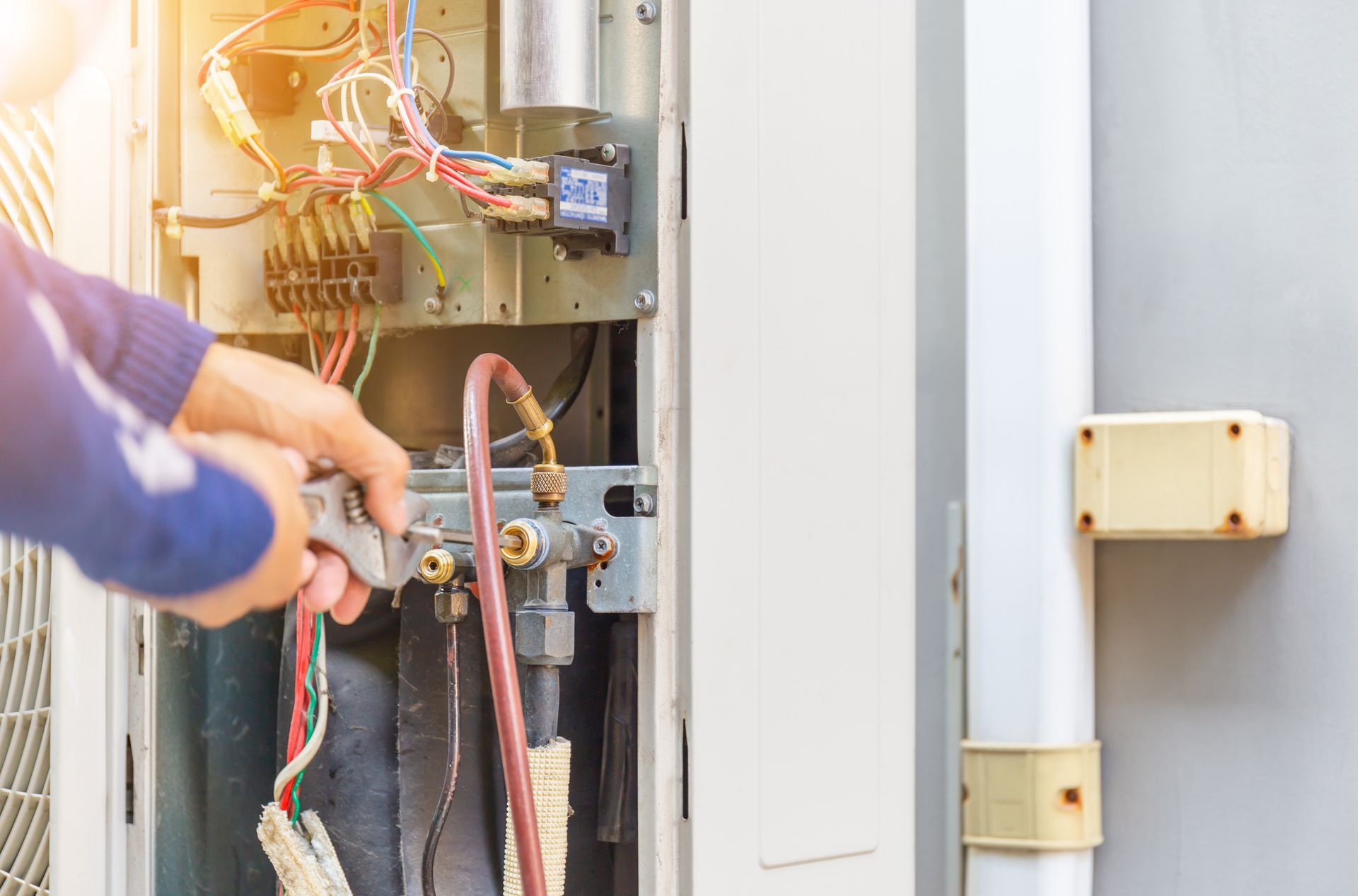
The technician works carefully, using the right tools for each job. They might bring in nut drivers, multimeters, or leak-detecting spray. During the visit, they follow safety rules, like turning off the power before opening the furnace.
If the part you need isn’t available right away, the technician may schedule a quick return. Communication is key so you always know what’s happening.
The Importance of Tools and Expertise
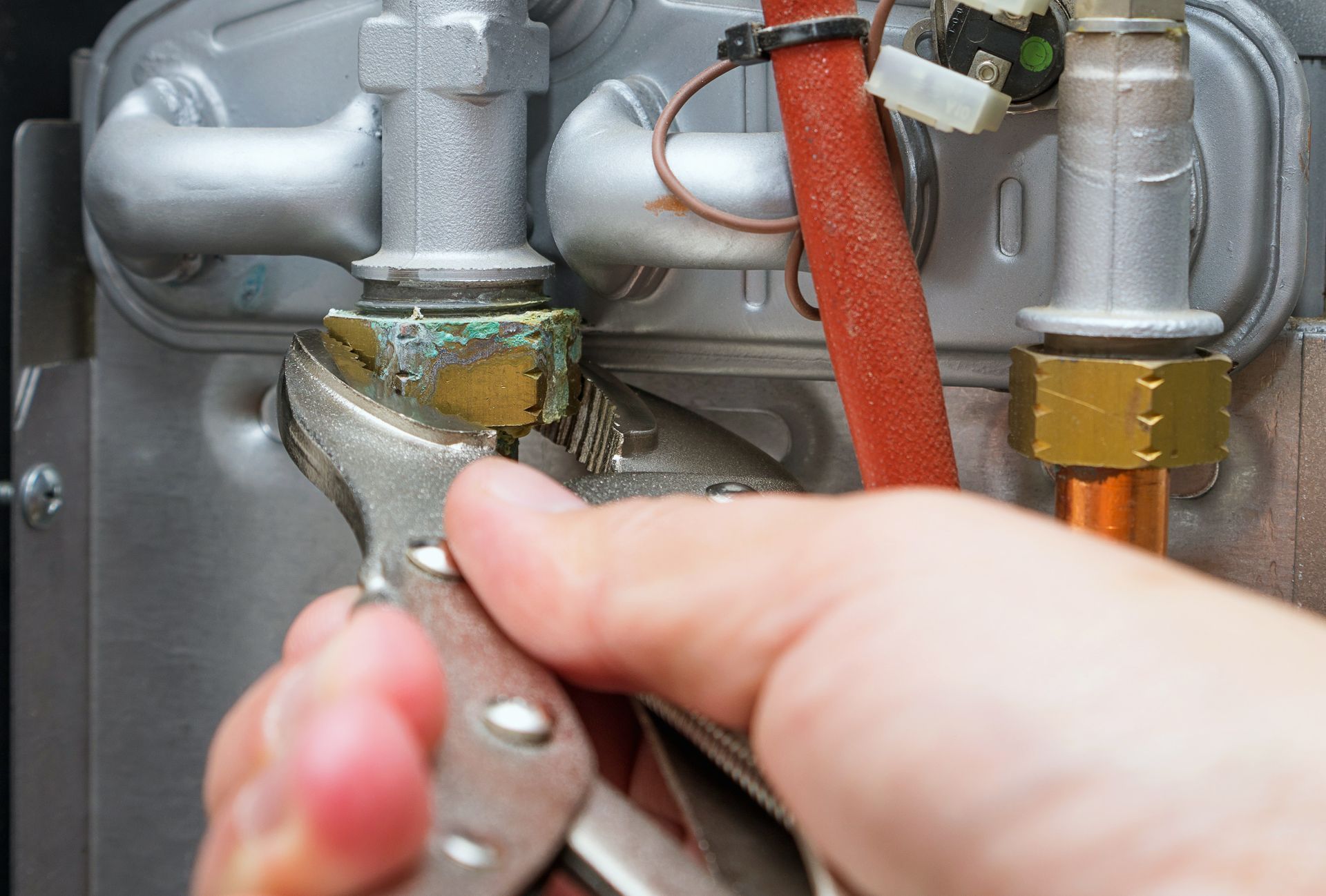
A professional’s toolbox is full of gear designed for furnace repair services:
- Leak detectors help spot dangerous gas leaks.
- Multimeters measure voltage and current for safety.
- Pipe wrenches and screwdrivers allow work in tight furnace spaces.
Knowledge is just as important. Technicians keep up with new furnace models and changes in building codes. This experience helps them solve problems quickly and prevent new ones.
Step 5: Testing and Final Checks
After repairs are complete, the technician will test your furnace. Here’s what happens:
- The furnace system powers on, and the technician listens for unusual sounds.
- Temperature and airflow are checked in different rooms.
- The expert may use a carbon monoxide detector for safety.
If all runs smoothly, they share tips to keep your system running, like changing filters every few months. You receive a summary of what was done and any recommendations for maintenance.
What Affects the Cost of Heater Repair?
Many people wonder how much furnace repair services will cost. Repairs can be inexpensive or a bit more, depending on:
- The complexity of the repair or part replacement.
- How long the job takes.
- The price of new parts, if needed.
A clogged filter or simple wire fix costs less than replacing a control board or blower motor. Most companies strive to keep costs fair and give clear explanations. Routine maintenance can also help you avoid expensive emergencies.
Why Hire a Professional?
Choosing certified technicians for furnace repair provides:
- Better safety for your family and home.
- Improved energy efficiency so your bills stay lower.
- Longer equipment
life since experts fix small issues before they grow.
Do-it-yourself fixes might lead to accidental damage, short-lived solutions, or warranty problems. Trained professionals bring the right mix of skill and equipment.
How to Prepare for Furnace Repair
You can help your repair go faster and smoother by:
- Writing down all the furnace problems you’ve noticed.
- Clearing a path to your furnace.
- Asking the technician about ongoing maintenance or service plans.
Good teamwork helps the repair be less stressful and more effective.
Choose Dr. HVAC for Heating System Repair Serving Newberg, OR
For safe, reliable furnace repairs in Newberg, OR, trust the professionals at Dr. HVAC. Our team provides honest answers, quality workmanship, and useful tips to keep your home comfortable. Do not wait for a small issue to turn into a bigger problem. Contact Dr. HVAC today to schedule your heater repair and enjoy a warm home all winter.